Aluminium: The Ultimate Guide to Grades and Industrial Applications
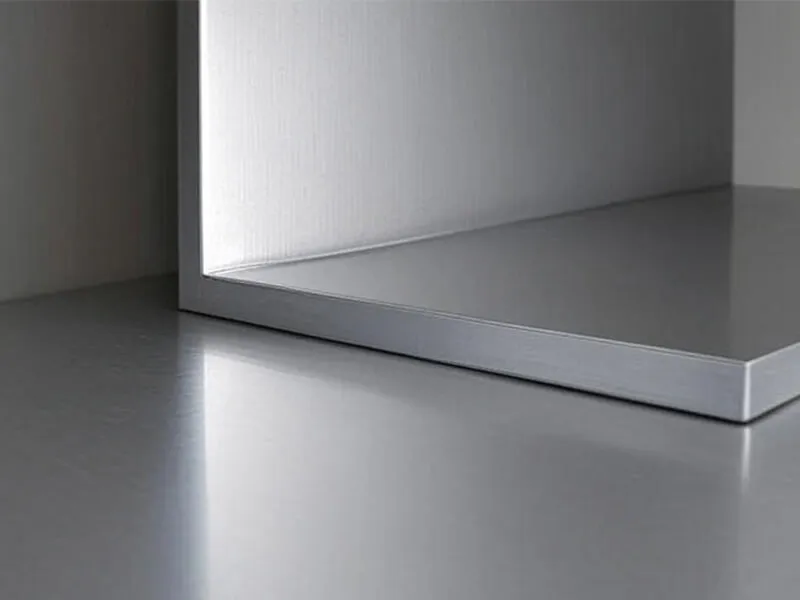
Aluminium (Aluminum) is a remarkable metal found everywhere from beverage cans to aircraft components. Its defining characteristics of being "lightweight yet strong" and "rust-proof" make it an indispensable material across multiple industries. But do you know enough about aluminium alloys to choose the right one? Trinity Dynamic presents the ultimate guide to understanding aluminium properties and selecting the perfect grade.
6 Outstanding Properties of Aluminium
- Lightweight: With a density only one-third that of steel, it significantly reduces transport costs and the overall weight of structures and vehicles.
- High Corrosion Resistance: It naturally generates a protective oxide film (Passivation Layer) that prevents rusting and deep corrosion.
- Highly Formable: Its ductility allows it to be bent, rolled, stamped, or extruded into complex shapes without fracturing.
- Thermal and Electrical Conductivity: An excellent conductor, widely used in electrical transmission lines and heat sinks.
- Non-Toxic and Safe: It does not react with most foods, making it the top choice for the food and beverage packaging industry.
- 100% Recyclable: A highly eco-friendly material that can be melted down and infinitely reused without losing its core properties.
Understanding the 7 Main Aluminium Alloy Series
Aluminium is often alloyed with other elements (like Copper, Magnesium, or Zinc) to enhance its strength and durability. The international standard divides them into distinct series:
1xxx Series: Pure Aluminium
Features 99%+ aluminium purity. It is extremely soft, highly ductile, and offers superior electrical and thermal conductivity but possesses low mechanical strength.
- Popular Grades: 1050, 1100
- Applications: Reflectors, heat sinks, signage, packaging, and chemical equipment.
2xxx Series: Copper Alloys
Achieves exceptional strength when heat-treated, often matching mild steel, but lacks high corrosion resistance (usually requires cladding or coating).
- Popular Grades: 2024
- Applications: Aerospace structures, military vehicles, and high-stress components.
3xxx Series: Manganese Alloys
Offers moderate strength (about 20% stronger than the 1xxx series) with excellent corrosion resistance and workability.
- Popular Grades: 3003
- Applications: Cooking utensils, chemical equipment, automotive parts, and roofing.
5xxx Series: Magnesium Alloys
Known for moderate to high strength, unparalleled weldability, and supreme resistance to marine and saltwater corrosion.
- Popular Grades: 5052, 5083
- Applications: Shipbuilding, pressure vessels, fuel tanks, and heavy-duty transportation.
6xxx Series: Magnesium & Silicon Alloys
The most popular series for general structural use. It provides the perfect balance of good strength, excellent corrosion resistance, machinability, and beautiful anodizing capabilities.
- Popular Grades: 6061, 6063
- Applications: Architectural extrusions, window frames, bicycle frames, and automotive parts.
7xxx Series: Zinc Alloys
The strongest of all commercial aluminium alloys, boasting strength levels comparable to many types of steel.
- Popular Grades: 7075
- Applications: Aerospace engineering, military equipment, high-stress gears, and industrial molds.
Conclusion: Which Grade Should You Choose?
Selecting the correct aluminium grade is critical to the success and cost-efficiency of any project. If you are unsure which alloy suits your application or if you are looking for premium Aluminium Coils & Plates to feed your production lines, our experts are here to help.
Need Expert Advice on Aluminium Selection?
Choosing the wrong grade can increase your production costs. Let our technical sales team help you select the most efficient and cost-effective material for your project.