Iron vs. Steel: What is the Difference? A Guide for Engineering
We often colloquially refer to strong, dark metals simply as "iron." However, in materials science and metallurgical engineering, Iron and Steel are vastly different. While pure iron is a natural element, the metals we use in industry are alloys with distinct physical properties. In this article, Trinity Dynamic explores the fundamental differences in carbon content and guides you through the material specifications you will encounter in industrial applications.
The Core Difference: Carbon Content
The primary chemical factor that separates iron from steel is the percentage of carbon (Carbon Content) alloyed within the metal structure:
- Iron (specifically Cast Iron): In industrial terms, cast iron refers to an iron alloy with a carbon content greater than 2% (usually 2% to 4%). It is extremely hard and possesses high compressive strength, but it is highly "brittle." It cannot be bent or forged at room temperature; high impact will cause it to crack or shatter. It is primarily shaped by melting and pouring into molds.
- Steel: Produced by refining iron ore to reduce the carbon content to less than 2% (typically 0.05% to 1.5%). This metallurgical adjustment alters the atomic structure, making the metal highly "ductile, tough, and high in tensile strength." Steel can be rolled, bent, forged, and welded with ease, which is why it makes up over 90% of structural and industrial metals used globally.
Deep Dive: Cast Iron vs. Steel in the Industrial Market
1. Cast Iron - Hard but Brittle
Because of its high carbon content, cast iron has a relatively low melting point, making it exceptionally fluid when liquid. This allows it to flow easily into complex, intricate molds. It is highly valued for its excellent compressive strength and superior vibration damping, making it ideal for heavy stationary components that do not undergo high tensile stress or sudden impacts.
- Common Applications: Engine cylinder blocks, heavy machine bases (e.g., lathe beds), manhole covers, and traditional cast iron cookware.
2. Steel - High Tensile Strength and Ductility
The workhorse of modern infrastructure. It is categorized into two primary divisions based on chemical alloying:
2.1 Carbon Steel
An alloy consisting primarily of iron and carbon. It is graded by carbon density, which directly impacts mechanical hardness:
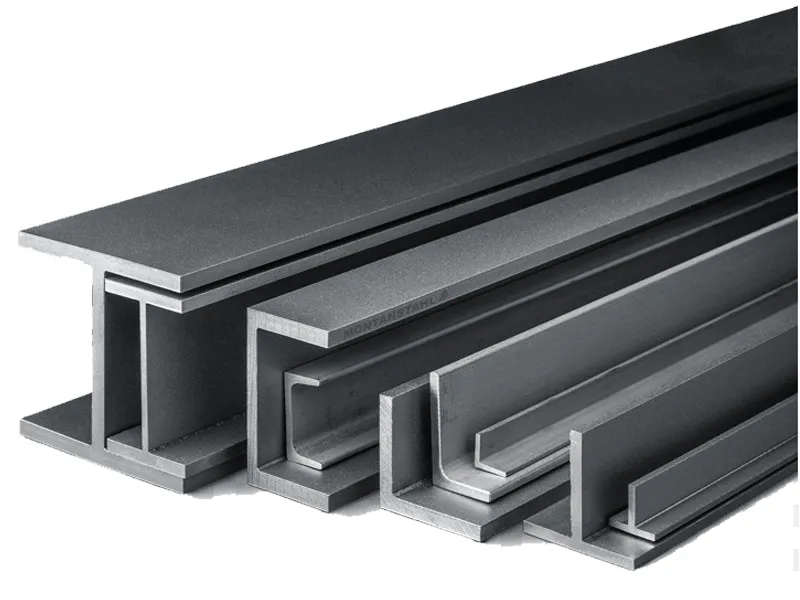
- Low Carbon (Mild Steel): Highly ductile, easy to weld, and cold-form (e.g., structural H-beams, rebars, and general steel plates like SS400).
- Medium to High Carbon: Offers increased hardness and wear resistance (e.g., mechanical shafts, transmission gears, and cutting blades).
- Specialty Pressure Vessel Steel (Boiler Plate): Carbon steel specifically alloyed and heat-treated (Normalized) to withstand high steam pressures and thermal expansion, such as ASTM A516 Grade 70 used for industrial boilers and gas storage tanks.
2.2 Alloy Steel
Carbon steel that has been alloyed with additional metallic elements to achieve enhanced physical properties:
- Chromium (min. 10.5%) + Nickel added: Forms a microscopic passive oxide layer that prevents oxidation = Stainless Steel.
- Manganese added: Increases surface hardness and impact resistance (ideal for heavy-impact railway tracks).
- Tungsten added: Maintains extreme structural hardness even at red-hot temperatures (used for high-speed cutting tools and extrusion molds).
Comparison Table: Cast Iron vs. Steel
| Properties | Cast Iron | Steel |
|---|---|---|
| Carbon Content | High (More than 2%) | Low (Less than 2%) |
| Mechanical Strengths | Can be cast into complex shapes, excellent compressive strength, high vibration damping | Tough, ductile, high tensile strength, highly weldable and formable |
| Mechanical Weaknesses | Brittle, shatters on high impact, cannot be bent or forged | Generally more expensive to produce than cast iron |
| Common Examples | Manhole covers, heavy engine blocks, machine beds | Structural building beams, automotive bodies, pressure vessels, industrial pipes |
Frequently Asked Questions: Iron vs. Steel (FAQ)
Q: Is standard structural steel (such as mild steel/SS400) considered "Iron" or "Steel"?
A: Scientifically, it is "Steel." Specifically, it belongs to the Low Carbon Steel (Mild Steel) category. However, in general construction trade and local markets, it is colloquially referred to simply as 'black steel' or 'steel plate' for convenience.
Q: Why is Stainless Steel classified as an "Alloy Steel"?
A: Because while its base is iron and carbon, it is alloyed with Chromium and Nickel. Chromium reacts with atmospheric oxygen to form a microscopic, self-healing passive oxide layer on the steel's surface. This barrier blocks moisture and oxygen from attacking the iron beneath, preventing red rust from forming.
Q: What is Ductile Iron, and how does it differ from standard Cast Iron?
A: It differs in its structural ductility. Standard grey cast iron is highly brittle because the carbon exists as sharp flakes. Ductile iron involves adding magnesium before casting, causing the carbon to form spherical nodules instead. This microstructural change allows the cast iron to bend and resist impact without fracturing.
Q: Why can't I use standard mild steel (SS400) for pressure vessels or boiler fabrication?
A: Because it poses a catastrophic explosion risk and violates industrial safety codes. SS400 is a general structural steel that does not undergo mandatory Charpy V-notch impact testing at low temperatures. Under continuous pressure and thermal cycles, SS400 will suffer from stress fatigue and crack. ASME code strictly mandates the use of certified boiler plates, such as ASTM A516 Gr.70, which are engineered specifically for pressure-holding safety.
Looking for Specialty Industrial Steel?
Do not compromise on material safety or risk structural failure! Trinity Dynamic specializes in supplying world-class Stainless Steel and Boiler Plates (ASTM A516 Gr.70). We provide original Mill Test Certificates (MTC) and offer custom metal processing services, including precision shearing, cut-to-length, and CNC Plasma cutting, with reliable delivery nationwide across Thailand.
Consult Our Experts & Get a Quote