Carbon Steel vs Stainless Steel: Which is Best for Your Project?
There is a common misconception in manufacturing that "Stainless Steel" is superior to "Carbon Steel" in every way. The truth is, in heavy industry, carbon steel remains an irreplaceable champion—especially in high-pressure and structural applications. In this article, Trinity Dynamic provides a clear engineering comparison to show you exactly which material is "born" for your specific project.
What is Carbon Steel? Why Does It Still Rule the World?
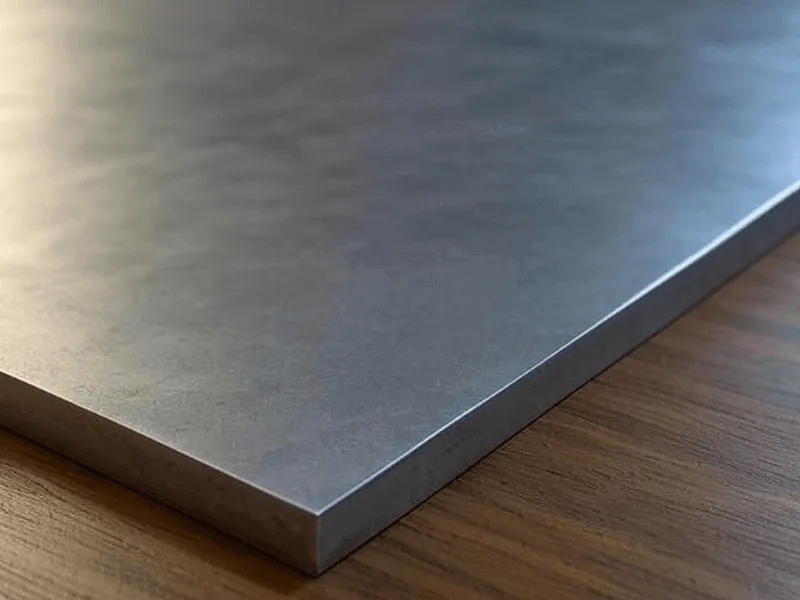
Carbon steel is an alloy composed primarily of Iron and Carbon. While it lacks the natural rust-proof passive layer of stainless steel, its core mechanical strengths make it the most popular and widely used metal on earth:
- Superior Mechanical Strength: Excellent at absorbing high impacts, resisting torsional shear, and providing exceptional tensile strength.
- High Pressure & Temperature Resistance: Especially true for specialty grades like Boiler Plate (ASTM A516 Grade 70), which are engineered specifically for gas tanks, steam systems, and industrial boilers.
- Cost-Effectiveness: Raw material costs are significantly lower than stainless steel, making it the preferred choice for large-scale infrastructure and industrial projects.
The Ultimate Matchup: Carbon Steel vs Stainless Steel
| Operational Consideration | Carbon Steel | Stainless Steel |
|---|---|---|
| Corrosion Resistance | Low (Requires painting, cladding, or hot-dip galvanizing) | Very High (Naturally resists moisture, salt-spray, and chemicals) |
| Structural Strength & Toughness | Very High (Highly ductile, handles extreme physical impact well) | High (Strong, but some grades can be slightly more brittle) |
| High-Heat Tolerance | Excellent (Especially specialized Boiler Grades) | Good (Standard grades can suffer from thermal deformation at extreme temps) |
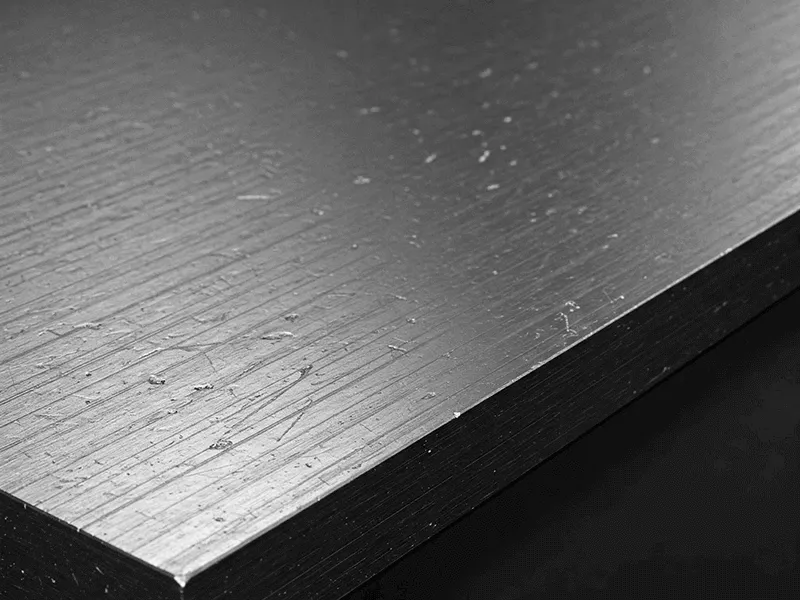
| Aesthetics | Matte black/grey (Requires painting or decorative finishing) | Elegant & Modern (Mirror or brushed Hairline finishes available) |
| Procurement Cost | Highly Economical (Saves massive budget) | Premium Pricing (Due to Nickel-Chromium content) |
Conclusion: Which Material Should You Choose?
✅ Choose "Carbon Steel" When:
- Pressure Vessels & Boilers: You need specialized metallurgical toughness to handle extreme steam pressure and pass strict safety audits (We recommend Boiler Plate A516 Gr.70).
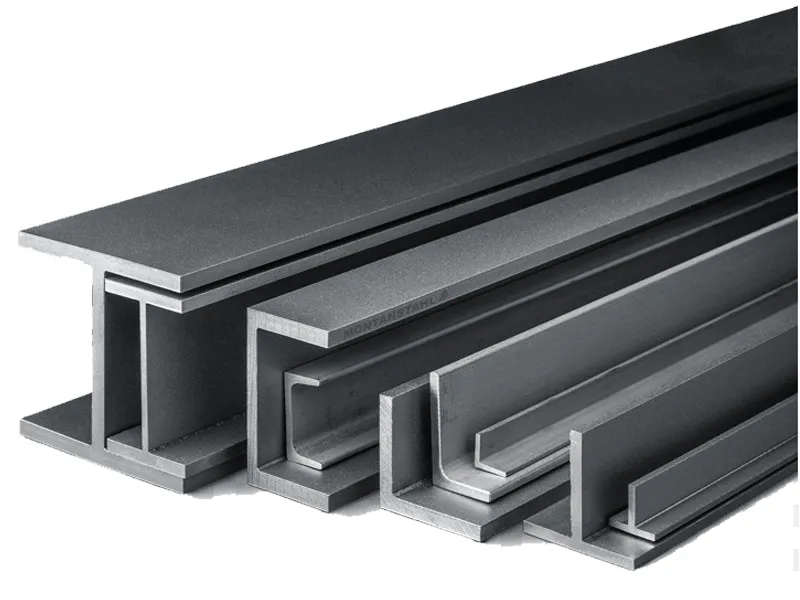
- Large-Scale Structures: Building frames, bridges, and heavy machinery where you need to save on material costs and can apply industrial anti-rust paint or epoxy coatings.
- Concealed Parts: Internal machinery components, brackets, or foundations where aesthetics are not a priority.
✅ Choose "Stainless Steel" When:
- Food & Pharmaceutical (Food Grade): Absolute hygiene, cleanability, and rust prevention are mandatory (We recommend Grade 304).
- Chemical & Marine Environments: The material will be exposed to high chlorides, saltwater, or acidic chemical media (We recommend Grade 316L).
- Architectural Trim: You need a luxurious, polished finish without the need for periodic painting.
Looking for Industrial Grade Metals?
Do not guess on specifications and risk costly errors! Trinity Dynamic specializes in supplying both Stainless Steel for food/chemical sectors and Boiler Plates (ASTM A516 Gr.70) for high-pressure systems. Every plate is delivered with original Mill Test Certificates (MTC) for full traceability. We offer custom shearing, bandsaw cut-to-length, and CNC Plasma cutting with secure nationwide delivery across Thailand.
Request a Commercial Quote