Stainless Steel 316 / 316L: The Ultimate Chemical & Marine Grade
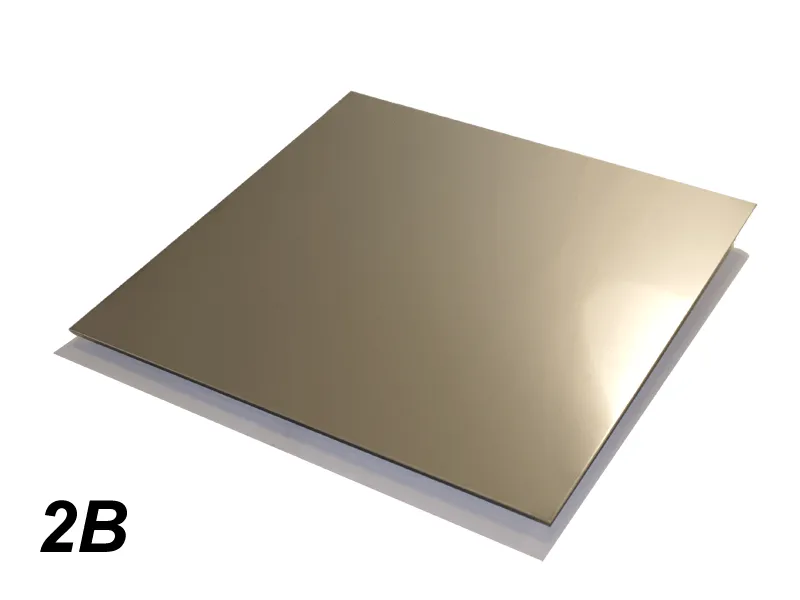
If you are looking for a material that can withstand harsh environments—be it aggressive chemicals, organic acids, or coastal salt spray—Stainless Steel Grades 316 and 316L are the ultimate solution. This article by Trinity Dynamic delves into why this grade is considered "heavy-duty" and how it fundamentally differs from the more common Grade 304.
What Makes Grade 316 So Special?
Grade 316 belongs to the Austenitic stainless steel family, much like Grade 304. However, it contains a crucial "secret ingredient": Molybdenum (approx. 2-3%). This element acts as a powerful shield, granting Grade 316 its exceptional properties:
- Chloride Resistance: Highly effective against pitting corrosion (Pitting Corrosion) in coastal areas, swimming pools, or chlorine-heavy industrial facilities.
- Chemical & Acid Resistance: Withstands exposure to phosphoric acid, mild sulfuric acid, and other harsh chemicals far better than Grade 304.
- High-Temperature Durability: Maintains structural integrity even under continuous high-temperature operations.
The Difference Between 316 and 316L
The "L" suffix stands for "Low Carbon," indicating that 316L has a carbon content capped at 0.03%. This slight chemical adjustment has a massive impact on heavy industrial fabrication:
- Grade 316 (Carbon Max 0.08%): Suitable for general applications where heavy or multi-pass welding is not required.
- Grade 316L (Carbon Max 0.03%): Highly recommended for welding. The low carbon content prevents carbide precipitation at grain boundaries (Weld Decay), ensuring the weld seam remains as corrosion-resistant as the rest of the material.
Clear Comparison: 316L vs. 304
| Property | Stainless 316L | Stainless 304 |
|---|---|---|
| Molybdenum (Mo) Content | Yes (2-3%) | None |
| Salt/Chloride Resistance | Excellent (Marine Grade) | Fair (Prone to pitting) |
| Acid/Chemical Resistance | Excellent | Good |
| Estimated Cost | Premium | Standard |
| Primary Applications | Chemical plants, Marine equipment, Medical tools, Food processing (high salt) | General decoration, Kitchenware, Handrails, Water tanks |
Common Applications for 316 / 316L
- Marine Industry: Boat fittings, port infrastructure, and offshore platforms.
- Chemical & Pharmaceutical: Chemical mixing tanks, pipelines, and laboratory equipment.
- Food Processing: Equipment exposed to high-acid or high-salt environments (e.g., soy sauce vats, brines, fish sauce production).
- Architecture: Exterior building cladding in coastal regions or highly polluted urban areas.
Should You Use Grade 304 or 316?
Choosing the correct grade saves costs and ensures long-term durability. Trinity Dynamic supplies premium Grade 316L coils and sheets. We provide full material traceability with original Mill Test Certificates (MTC) for all shipments. Our service center offers precision shearing, custom bandsaw cut-to-length services, heavy CNC plasma cutting, and secure nationwide logistics to ensure your materials arrive safely and on-time across Thailand.
Get a Free Consultation & Quote