What is Food Grade Stainless Steel? Deep Dive into Standards Beyond 304 & 316
In the food and pharmaceutical industries, GMP (Good Manufacturing Practice) and HACCP standards are paramount. Cleanliness and safety of food contact materials are essential. Trinity Dynamic explores the true essential elements of food grade stainless steel.
It’s Not Just the Grade—It’s the Surface Finish
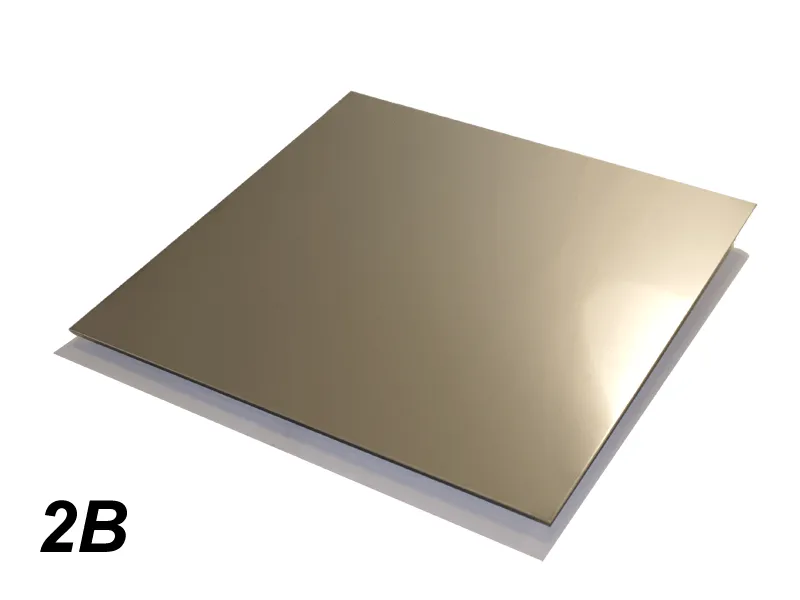
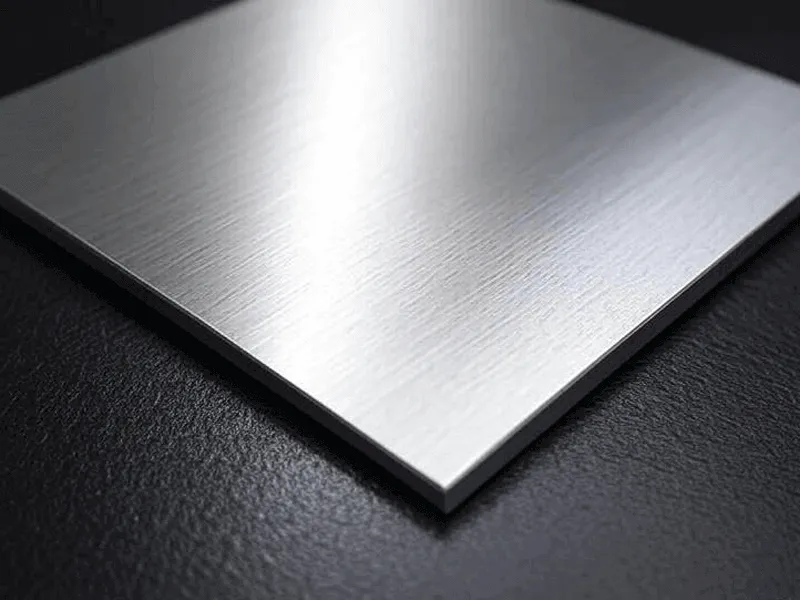
The golden rule of Food Grade stainless is "No pores, no bacteria." Even if you use Grade 304, a rough surface (like No.1 finish) can harbor bacteria in microscopic crevices. Therefore, the recommended finishes for food contact are:
- 2B Finish (Cold Rolled): The industry standard for prep tables and mixing tanks; smooth and exceptionally easy to sanitize.
- BA Finish (Bright Annealed): Mirror-like smoothness that reduces friction for ingredients and prevents protein buildup.
Choosing the Right Grade: 304 vs. 316L in Production Lines
To optimize your facility's investment, consider the specific "food ingredients" you process:
| Food Category | Recommended Grade | Safety Reason |
|---|---|---|
| Water, Milk, General Fruits/Veg | 304 / 304L | Cost-effective; does not react with flavor or color. |
| Sauces, Brines, High-Salt Foods | 316 / 316L | Superior resistance to chlorides and acidic corrosion. |
| Heat-Sterilized Piping Systems | 304L / 316L | Prevents "Weld Decay" during frequent thermal cycles. |
3-Point Checklist for Correct Food Grade Selection
- Inert Material: The alloy must not leach lead or heavy metals into food under operational temperatures.
- Surface Integrity: Must be free of deep scratches or pitting, which serve as breeding grounds for pathogens.
- Mill Certificate Verification: Always demand documentation proving compliance with ASTM A240 to ensure material traceability.
Conclusion: Safety Starts with Material Integrity
Selecting cheap 304 stainless steel might save costs initially, but if the surface quality fails an audit or causes contamination, the losses could be massive. Investing in high-quality 2B or BA finishes from Trinity Dynamic ensures long-term safety and compliance for your food processing facility.
Looking for Certified Food Grade Stainless Steel?
Ensure your production line meets global safety standards. Trinity Dynamic provides premium 2B and BA finish stainless steel, perfectly suited for high-hygiene food and pharmaceutical applications.
Request Food Grade Quote