What is Stainless Steel? The Ultimate Guide to Grades & Types
Stainless Steel is one of the most vital materials in the industrial world. But what exactly is it? Why doesn't it rust? And what is the real difference between the common grades like 304 and 316? In this comprehensive guide, Trinity Dynamic provides all the essential answers.
What is Stainless Steel? Why doesn't it rust?
Stainless steel is an alloy of iron with a minimum of 10.5% Chromium. This specific amount of chromium reacts with oxygen to form an invisible, self-healing layer called "Chromium Oxide." This microscopic film acts as a shield, preventing oxygen and moisture from reaching the steel surface, thus stopping corrosion and rust.
The 5 Main Types of Stainless Steel
Stainless steel is categorized into five main groups based on its metallurgical structure:
1. Austenitic - 200 and 300 Series
The most widely used type (over 70% of global production). It contains Nickel, making it non-magnetic with excellent corrosion resistance and formability.
- Popular Grades: 304, 304L, 316, 316L
- Applications: Kitchenware, food & pharma tanks, medical devices, architectural trim.
2. Ferritic - 400 Series
Contains mainly Chromium with low Carbon. It is magnetic and offers good corrosion resistance, though generally less durable than Austenitic steel.
- Popular Grades: 409, 430
- Applications: Automotive exhausts, domestic appliances, industrial sinks.
3. Martensitic - 400 Series
High Carbon content allows this steel to be heat-treated for extreme hardness. It is magnetic but has lower corrosion resistance.
- Popular Grades: 410, 420, 440C
- Applications: Knives, surgical instruments, pump and valve parts.
4. Duplex
A high-performance steel with a mixed structure of austenite and ferrite, providing double the strength and superior resistance to stress corrosion cracking.
- Popular Grades: 2205, 2507
- Applications: Chemical processing, Oil & Gas, marine structures.
5. Precipitation Hardening (PH)
The strongest category, hardened through heat treatment. Used where high strength and moderate corrosion resistance are required.
- Popular Grades: 17-4PH (630)
- Applications: Aerospace components, boat shafts, nuclear waste casks.
Common Grades: 304 vs. 316L Comparison
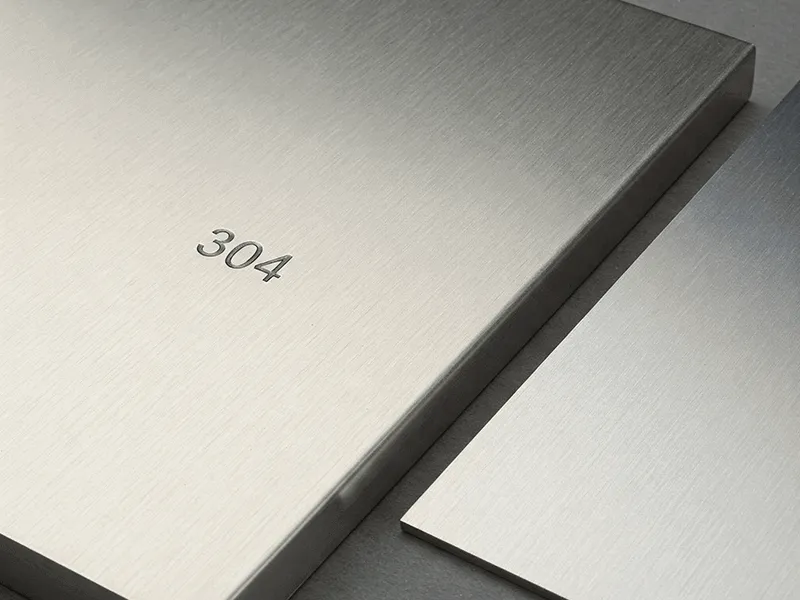
- Grade 304/304L: The "General Purpose" grade. Highly versatile and cost-effective for indoor and standard outdoor use.
- Grade 316/316L: The "Chemical Grade." Contains Molybdenum for superior resistance to salt spray and aggressive chemicals. Best for coastal and lab environments.
- Grade 430: The "Decorative Grade." Magnetic and economical. Best for indoor trims and appliance panels.
Need Expert Advice on Material Selection?
Choosing the wrong grade can be a costly mistake. Let our technical team help you select the most efficient and cost-effective material for your project.
Request a Free Consultation