Plant Design Guide: How to Zone 304 and 316 Stainless Steel for Cost-Efficiency
For plant managers and design engineers, selecting the right materials for a food production line is not just about hygiene—it's a critical exercise in Cost Control and Audit Compliance. Specifying ultra-high grades everywhere burns through your budget, while under-specifying in critical areas invites massive contamination risks. In this article, Trinity Dynamic shares a strategic "Zoning Approach" to stainless steel specification, ensuring your facility is both highly efficient and incredibly cost-effective.
The Zoning Strategy: Pass Audits Without Overspending
1. General & Structural Zone
These are areas that do not come into direct contact with food, such as preparation table legs, machine enclosures, motor bases, or stainless steel angle bars used for cold room shelving.
- Recommended Grade: Standard Grade 304 (or Grade 430 for completely dry areas).
- The Why: This zone only requires mechanical strength and basic rust resistance. By specifying Grade 304 instead of 316 here, you can save massive amounts on your heavy structural material budget.
2. General Food Contact Zone
Areas that handle moist ingredients but lack highly corrosive elements—such as bottled water lines, dairy pasteurization, flour, or baked goods.
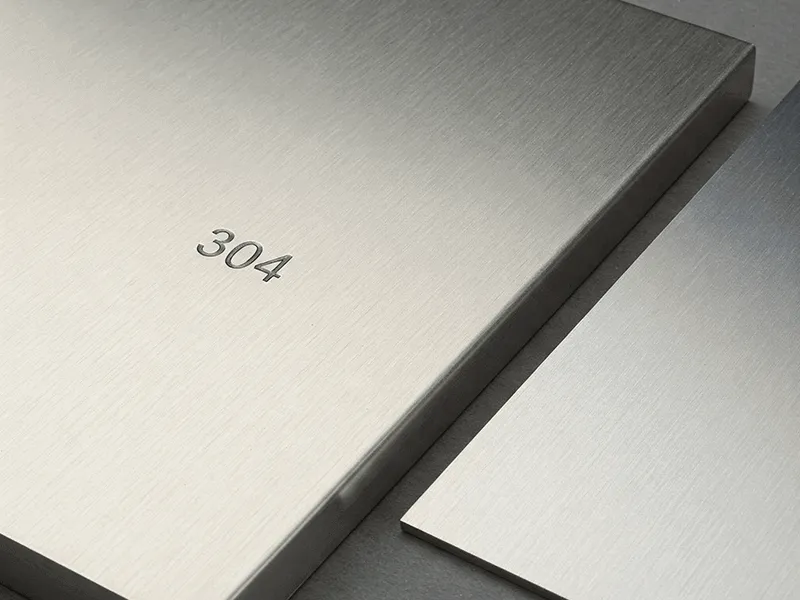
- Recommended Grade: Stainless Steel 304 / 304L Sheets (Preferably with a smooth 2B or BA finish).
- The Why: This is the universally accepted minimum Food Grade standard. It is easy to clean and effectively inhibits bacterial growth. More importantly, Grade 304 is significantly cheaper than Grade 316 at the same thickness, maximizing ROI for your main production zones.
3. Critical & High Corrosion Zone
These are the high-risk points in your facility: equipment exposed to high salinity (salt), high acidity (fruit juices/vinegar), or machinery subjected to harsh, high-temperature CIP (Cleaning In Place) chemicals daily.
- Recommended Grade: Stainless Steel 316L Plates or 316L Industrial Pipes.
- The Why: The Molybdenum content in 316L actively prevents Pitting Corrosion caused by salt crystals. In these harsh conditions, equipment made from 316L can outlast 304 by 3 to 5 times, preventing catastrophic line failures.
Summary Checklist: Material Specs for GMP / HACCP Audits
| Plant Component | Auditor-Approved Grade | Required Surface Finish |
|---|---|---|
| Conveyor Belts / Prep Tables / Food Trays | 304 / 316L | 2B or BA Finish (Ultra-smooth, no bacteria traps) |
| Liquid Transport / Sanitary Piping | 304L / 316L | Welded Pipe (Internally polished) |
| Walkways / Factory Stairs | 304 / 316L | Checkered Plate (Anti-slip) |
| Mixing Tanks / Boilers | 316L / A516 Gr.70 | Heat Exchanger Tubes |
Conclusion: Trinity Dynamic is Your Food Industry Partner
Procuring the right stainless steel plates and pipes for your factory is not just about legal compliance; it's a strategic move for long-term ROI. We are ready to supply ASTM A240 certified materials, complete with MTC documentation for every single piece, ensuring your facility passes its audits with flying colors.
Planning to Build or Upgrade Your Production Line?
Let our experts help you evaluate the most cost-effective material specifications for your project. Trinity Dynamic supplies wholesale Grade 304 and 316L Stainless Steel, complete with custom laser cutting services.
Contact Us for Consultation & Quotes