How to Weld Stainless Steel: 3 Key Techniques & Quality Control Guide
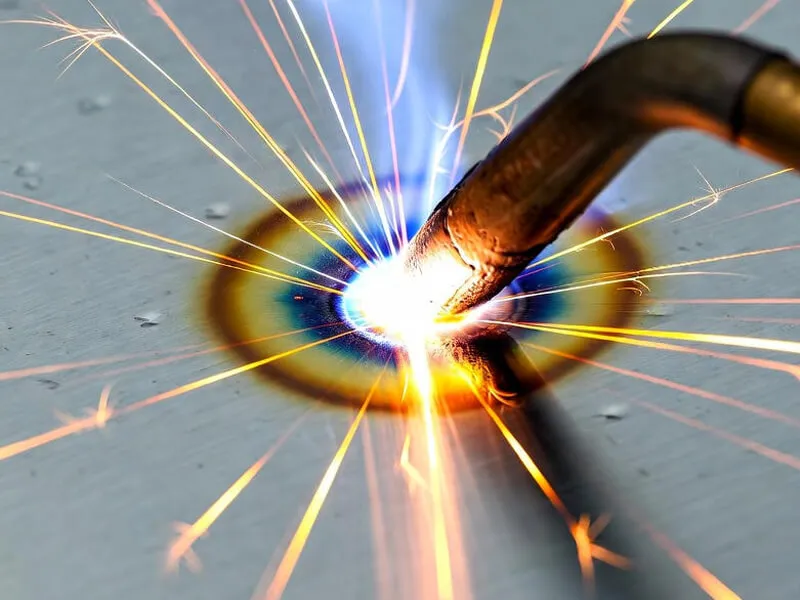
Welding stainless steel is significantly more challenging than welding mild steel. Its low thermal conductivity combined with a high coefficient of thermal expansion often leads to warping and Weld Decay if proper procedures are not followed. In this guide, Trinity Dynamic explores the three primary stainless steel welding methods and provides engineering tips to ensure your joints remain strong, clean, and corrosion-resistant.
The 3 Industry-Standard Methods for Welding Stainless
1. TIG Welding (GTAW / Argon Welding)
The most popular choice for high-precision applications. It utilizes a non-consumable tungsten electrode and an inert shielding gas (Argon) to produce the cleanest results.
- Best For: Thin gauge sheets, Ornamental Tubes, kitchenware, and high-hygiene food/pharma systems.
- Key Advantage: Superior aesthetic quality with no spatter and absolute control over heat input.
2. MIG Welding (GMAW)
Uses a continuously fed wire electrode. It is the go-to method for industrial fabrication where high production speeds are required.
- Best For: Heavy structural frames, large-scale tank fabrication, and Stainless Steel Angle Bars.
- Key Advantage: High deposition rates and significantly faster than TIG, making it more cost-effective for large projects.
3. Stick Welding (MMA / Shielded Metal Arc)
A traditional method using a consumable electrode coated in flux. No external gas tank is needed.
- Best For: On-site repairs and structural outdoor work where wind might interfere with shielding gases.
- Key Advantage: Portable and low equipment cost, though it requires post-weld slag removal.
Expert Selection: Matching Filler Metals to Base Grades
In engineering, the filler metal must always meet or exceed the properties of the base metal. For maximum corrosion resistance, always opt for "L" (Low Carbon) wires:
| Base Metal Grade | Recommended Filler Metal | Technical Justification |
|---|---|---|
| Stainless 304 / 304L | ER308L | The standard for food and general industrial use. |
| Stainless 316 / 316L | ER316L | Higher Molybdenum to resist chemical attack. |
| Stainless to Carbon Steel | ER309L | Critical for preventing cracks at dissimilar metal joints. |
3 Pro Tips to Avoid Weld Failure
- Control Warping: Stainless steel expands rapidly. Use frequent "tack welds" to lock pieces in place before making full-length passes.
- Monitor Weld Color: A perfect weld should appear silver or pale gold. A dark black/charred appearance indicates overheating, which destroys the material's rust-proof properties.
- Post-Weld Cleaning: Always remove oxide scales using a stainless steel wire brush. We highly recommend a chemical Passivation treatment to restore the protective chromium oxide layer.
Need High-Performance L-Grades for Your Next Project?
Trinity Dynamic stocks a vast range of 304L and 316L Stainless Steel in Plates and Bars. Our materials are specifically curated for high-integrity welding and heavy-duty industrial compliance.
Request a Quote & Technical Advice