316L Stainless Steel Plate Guide: No.1 vs. 2B Finish Explained

When your industrial project specifies 316L Stainless Steel Plates, the next critical decision after budget approval is selecting the right "Surface Finish." Because 316L sheets and plates are generally divided into two main categories based on their manufacturing process, choosing the wrong finish can compromise either aesthetics or structural integrity. In this guide, Trinity Dynamic ensures you make the perfect material selection the very first time.
1. Grade 316L No.1 Finish (Hot Rolled - Heavy Plates)
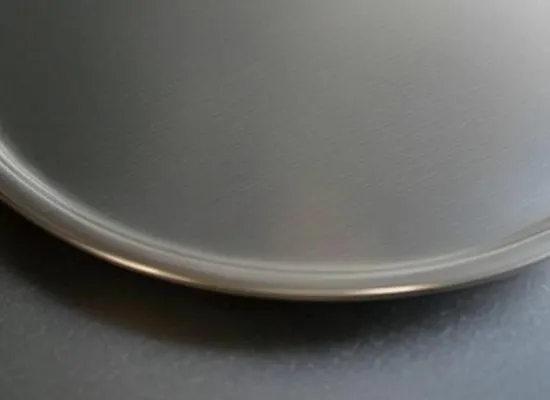
If your project involves heavy industry, massive structural frameworks, or high-pressure chemical storage tanks, 316L No.1 Finish (Hot Rolled Plate) is your definitive answer.
- Visual Characteristics: Features a matte, dull grey appearance. The surface is slightly rough due to high-temperature rolling, but it is clean and scale-free as it undergoes a pickling process.
- Standard Thickness: Typically ranges from 3.0 mm up to 50 mm or thicker.
- Ideal Applications: Fabrication of large chemical containment vessels, heavy industrial pipe flanges, machine bases, and coastal structural foundations.
2. Grade 316L 2B Finish (Cold Rolled - Thin Sheets)
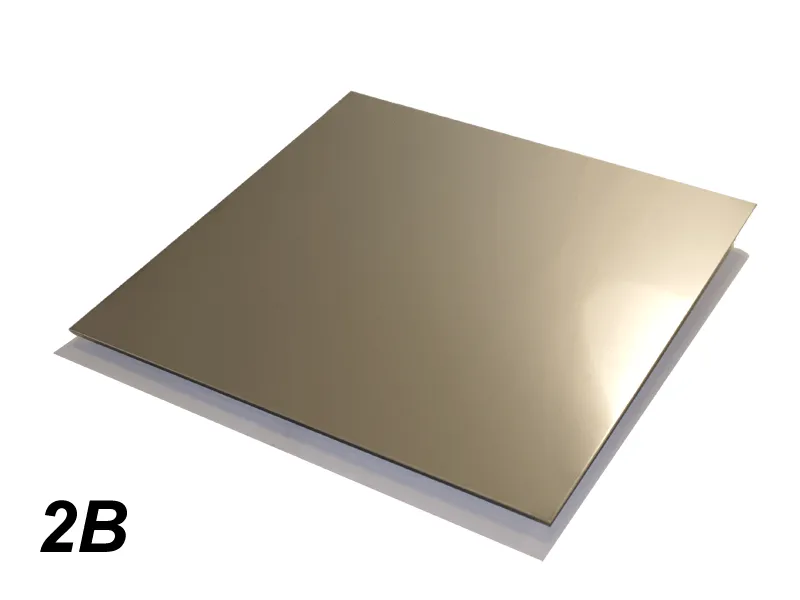
For applications demanding high aesthetic value, exceptional smoothness, or direct contact with food and pharmaceuticals, 316L 2B Finish (Cold Rolled Sheet) is the premium choice.
- Visual Characteristics: Extremely smooth, uniform, and semi-reflective. It is much easier to clean and sterilize, preventing bacterial accumulation.
- Standard Thickness: Usually falls between 0.4 mm and 3.0 mm.
- Ideal Applications: Medical instruments, laboratory equipment, pharmaceutical mixing tanks, and high-end architectural cladding in coastal regions.
Summary Table: Why We Supply "316/316L" (Dual Certified)
If you review the quotations or MTCs from Trinity Dynamic, you will notice our inventory is primarily specified as 316/316L Dual Certified. What does this mean for your procurement? See the table below:
| Grade Specification | Carbon Content | Engineering Advantage | Primary Use Case |
|---|---|---|---|
| 316 (Standard) | Max 0.08% | Higher Yield Strength | Machined parts (Bolted assemblies, minimal welding) |
| 316L (Low Carbon) | Max 0.03% | Exceptional Weldability (No weld decay) | Fully welded tanks and chemical piping systems |
| 316/316L (Dual) | Max 0.03% (With added Nitrogen) | The Best of Both (Strong & Weldable) | Replaces both grades (The modern industry standard) |
Why Procure 316 Series Plates from Trinity Dynamic?
- 100% Traceability: Every plate we deliver is accompanied by an authentic Mill Test Certificate (MTC) verifying the 316/316L grade and precise Molybdenum (Mo) content.
- Comprehensive Inventory: Whether your project requires heavy-duty No.1 Finish Plates or delicate 2B Finish Sheets, we have it in stock and ready to ship.
- Custom Processing: We offer professional Cut-to-Size services utilizing advanced Laser and Plasma cutting technology, delivering materials exactly to your CAD drawings and minimizing scrap.
Need Current Pricing for 316 / 316L Plates?
Whether you require standard sheet sizes (4'x8', 5'x10') or custom-cut plates, Trinity Dynamic's technical sales engineers are ready to provide expert advice and the most competitive quotations.
Request a Technical Quote Today