Understanding ASTM A240: The Crucial Standard for Stainless Steel Plates
When reviewing a quotation or a Mill Test Certificate (MTC) for stainless steel, you will inevitably encounter standard codes. For "Sheets and Coils," the most critical designation is ASTM A240. But what exactly does this code mean? And why do engineers strictly require materials to meet this standard? Trinity Dynamic decodes this international specification.
What is ASTM A240? Which Products Does It Cover?
ASTM A240 (or ASME SA240 for pressure vessel applications) is a standard specification issued by ASTM International. It strictly governs the quality of "Flat-Rolled Stainless Steel Products," which includes:
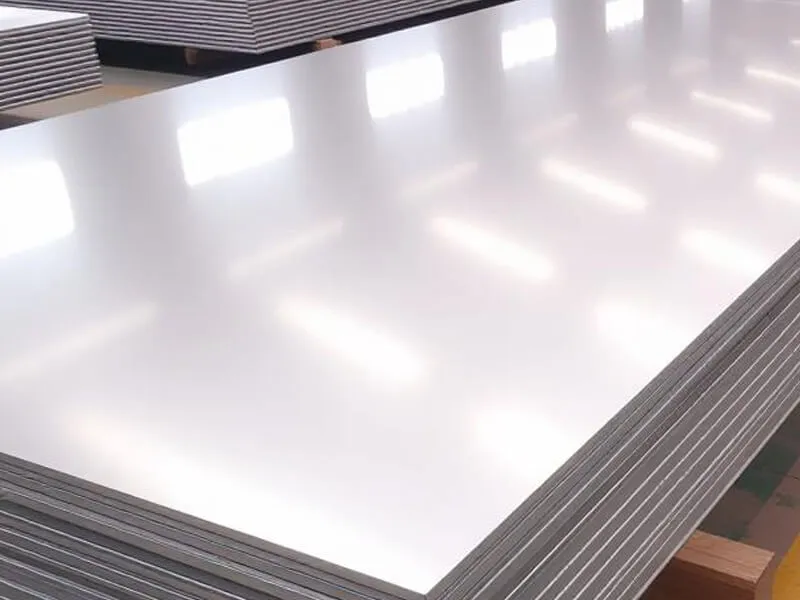
- Stainless Steel Plates/Sheets: Covering both thick hot-rolled (No.1) and thin cold-rolled (2B, BA) sheets.
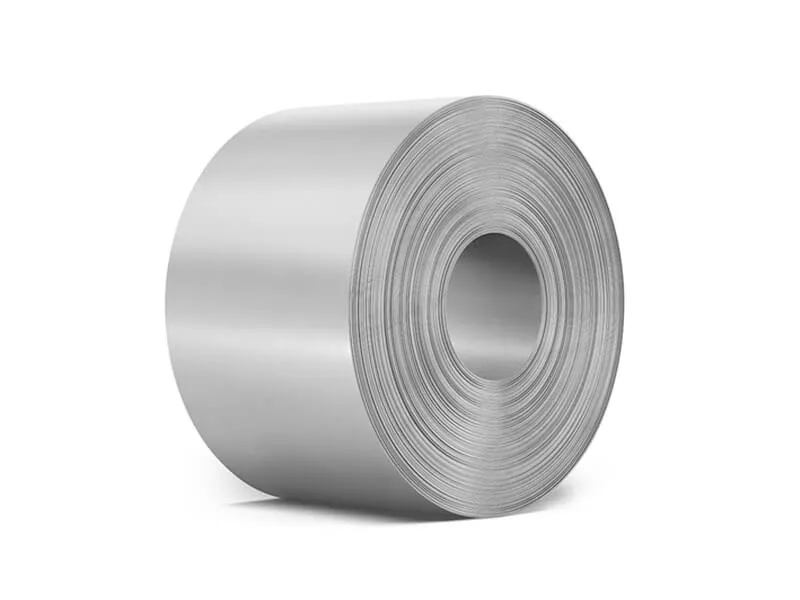
- Stainless Steel Coils/Strips: The upstream raw material used for further cutting, shearing, and fabrication.
*Key Point: This standard dictates the acceptable "Chemical Composition" and "Mechanical Properties" that the steel batch must achieve before leaving the mill to ensure safety in structural and industrial use.
Avoid Confusion: ASTM A240 vs. A276 vs. A312
A common purchasing mistake is specifying the wrong standard for a product. Even if the material is Grade 304, different shapes are governed by different ASTM numbers:
| ASTM Standard | Product Type Covered | Product Examples |
|---|---|---|
| ASTM A240 | Flat Products (Plates & Coils) | No.1 Plates, 2B Sheets, Checkered Plates |
| ASTM A276 | Bars & Shapes | Round Bars, Square Bars, Hex Bars, Flat Bars, Angle Bars |
| ASTM A312 | Industrial Pipes | Welded Pipes, Seamless Pipes |
| ASTM A554 | Ornamental Tubes | Mirror Tubes, Handrail Tubes, Square Box Sections |
What Does ASTM A240 Tell Us?
When you verify an MTC referencing ASTM A240, you are checking two primary categories to verify material compliance:
1. Chemical Composition
For example, if you are purchasing Grade 304, A240 mandates the following elemental balance:
- Chromium (Cr): 17.5% - 19.5% (Critical for rust-preventing passive film)
- Nickel (Ni): 8.0% - 10.5% (Required for material ductility and bending)
- Carbon (C): Maximum of 0.07% (Low carbon prevents carbide precipitation during welding)
(If the tested values fall outside these ranges, the material cannot be officially certified as ASTM A240 Type 304.)
2. Mechanical Properties
These values define the material's strength, enabling structural engineers to calculate safe load-bearing limits:
- Tensile Strength: The ultimate pulling stress (Must be ≥ 515 MPa for Grade 304).
- Yield Strength: The point of permanent plastic deformation (Must be ≥ 205 MPa).
- Elongation: The measure of ductility (Must stretch at least 40% before breaking, critical for cold-forming).
Trust in Trinity Dynamic's Quality
Every stainless steel plate and coil we deliver complies strictly with ASTM A240 / ASME SA240 standards. We provide original Mill Test Certificates (MTC) with every delivery to guarantee total project compliance. We offer precise shearing, custom bandsaw cut-to-length, and CNC Plasma cutting with secure nationwide delivery across Thailand.
Request a Quote & Spec Sheet