Deep Dive into Stainless Steel 304 (SUS304): The Global Standard
If you walk into any industrial plant, pharmaceutical facility, or commercial kitchen, approximately 70% of the stainless steel you see is Grade 304 (or SUS304 under Japanese JIS G4305 standards). Although it is the most common grade in the market, from an engineering perspective, it represents the ultimate balance of properties. In this article, Trinity Dynamic unpacks the "Technical Specifications" to reveal what exactly makes up Grade 304 and why it remains the most cost-effective choice.
1. Chemical Composition
The secret to its exceptional rust resistance lies in its precise alloy formulation. According to the ASTM A240 standard, the composition for Grades 304 and 304L is specified as follows:
| Element | Type 304 (%) | Type 304L (%) | Primary Metallurgical Function |
|---|---|---|---|
| Chromium (Cr) | 18.0 - 20.0 | 18.0 - 20.0 | Reacts with oxygen to form the self-healing passive film |
| Nickel (Ni) | 8.0 - 10.5 | 8.0 - 12.0 | Enhances ductility and elasticity for easy cold-forming |
| Carbon (C) | Max 0.08 | Max 0.03 | Provides tensile strength (Lower in "L" grades to improve weldability) |
*Should you choose Grade 304 or 304L for your fabrication project? Read our comprehensive comparison guide here: 304 vs 304L In-Depth Comparison
2. Mechanical Properties
For structural engineers and draftsmen, these mechanical values are critical for safe load-bearing and stress-limit calculations:
- Tensile Strength (Maximum load before fracturing): ≥ 515 MPa (Excellent load resistance)
- Yield Strength (Elastic limit of deformation): ≥ 205 MPa
- Elongation (Maximum stretching limit): ≥ 40% (Highly ductile, bends smoothly without cracking)
- Hardness (Indent resistance): ≤ 201 HB (Not overly brittle)
3. Grade 304 Product Forms We Supply
Trinity Dynamic stocks Grade 304 in every shape to meet the demands of any industry at factory-direct wholesale pricing:
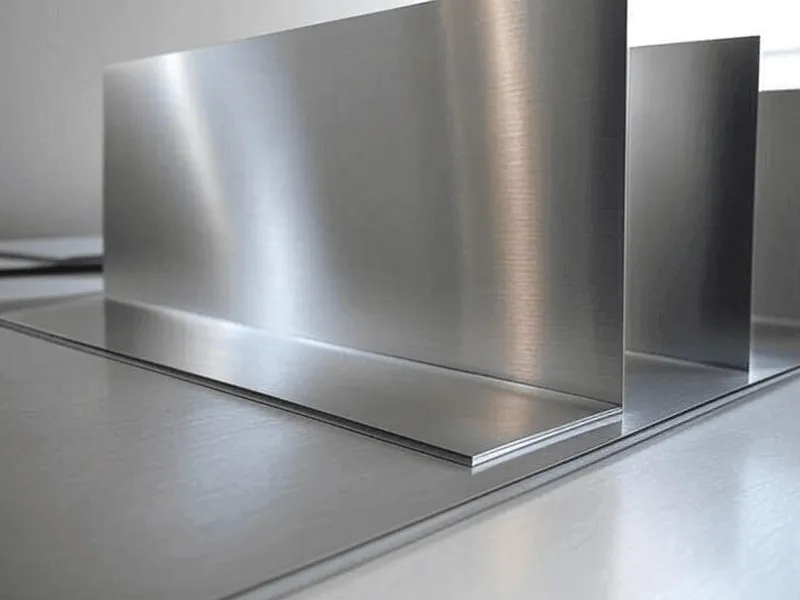
1. Flat Products (Plates & Sheets)
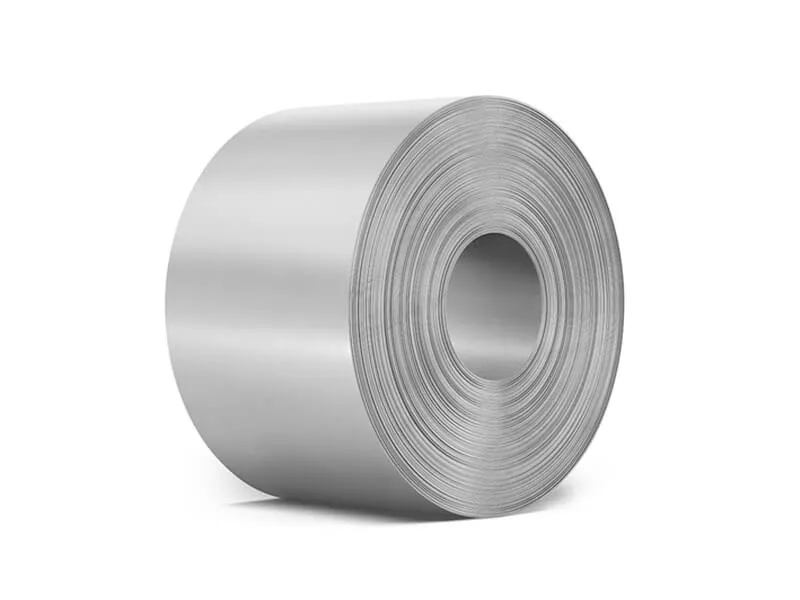
- 2B Finish: The standard for mixing tanks, food prep counters, and enclosures
- No.1 Finish: Heavy-duty hot-rolled plate for industrial silos, flanges, and bases
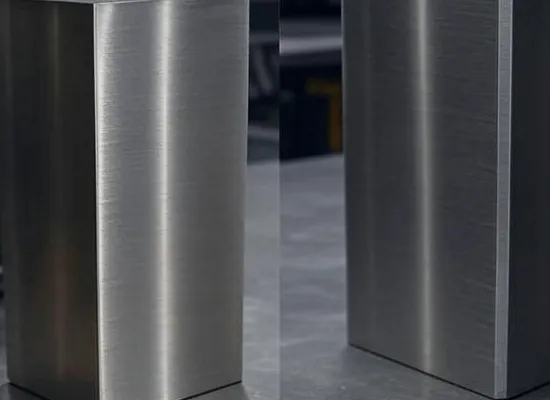
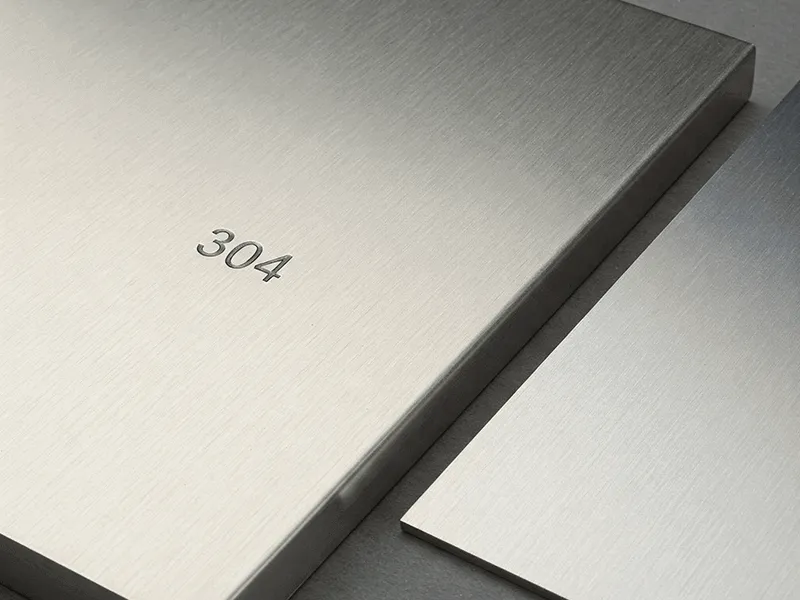
- Hairline & Mirror (HL/No.8): Pre-coated with premium protective film for elevators and luxury decor
2. Long Products (Bars & Tubes)
- Solid Round Bars: High-precision shafts, bushings, and fasteners
- Equal Angles & Flat Bars: Rigid frameworks, handrails, and industrial platforms
- Hollow Sections: Both Industrial Pipes (A312) and Ornamental Tubes (A554)
Conclusion: Why is 304 the Undisputed "King of Stainless Steel"?
It represents the absolute perfect intersection of Price and Performance. Unless your application is located near corrosive marine environments or involves extremely aggressive acids (which strictly requires Grade 316L), Stainless Steel 304 remains the most cost-effective and highly reliable material choice globally.
Need Mill Test Certificates (MTC) for Grade 304?
We guarantee the absolute quality of our materials. Every single production lot of Grade 304 we deliver comes with its original, verified ASTM A240 / JIS G4305 certificate. We offer professional shearing, custom bandsaw cut-to-length, and CNC Plasma cutting services, along with secure nationwide delivery across Thailand.
Request a Quote & Spec Sheet Now