What is Boiler Plate? An Introduction to Pressure Vessel Steel
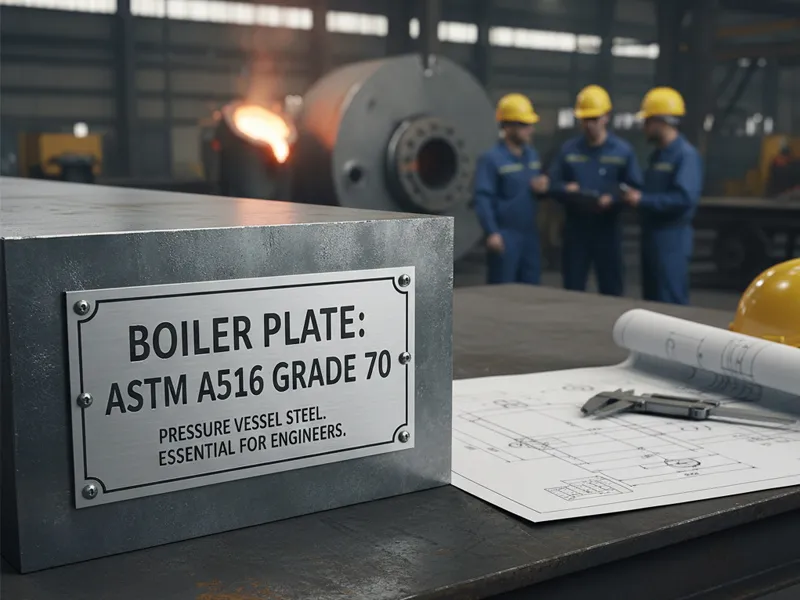
In engineering projects involving energy, gases, and extreme heat, Boiler Plate (Pressure Vessel Steel) is a material that absolutely cannot be substituted with standard structural steel. Even a minor material failure can lead to catastrophic explosions. In this article, Trinity Dynamic summarizes the definition, global standards, and critical reasons why Carbon Steel Boiler Plates remain the heart of heavy industrial safety worldwide.
Defining Boiler Plate: More Than Just "Thick Steel"
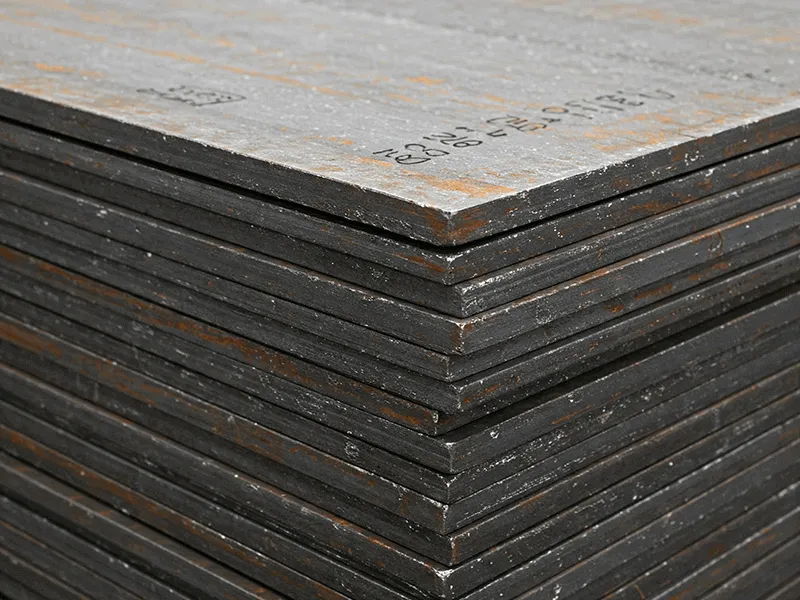
Boiler Plate falls under the category of high-quality carbon steel known as Pressure Vessel Quality (PVQ). Unlike structural steel that is designed to bear static weight (like buildings), PVQ steel is engineered to endure two extreme conditions simultaneously: "Massive Internal Pressure" and "Rapid Temperature Fluctuations."
3 Key Differences That Make Boiler Plate Superior to Mild Steel (e.g., SS400)
If you are wondering why you should invest in specialty steel (read our Cost Comparison of A516 vs SS400), here are the deep metallurgical differences:
- High Purity: Boiler plates are manufactured under strict conditions to minimize impurities (such as sulfur and phosphorus). This drastically reduces the chance of internal micro-cracks forming under stress.
- Notch Toughness (Ductility): PVQ steel has a much higher toughness rating. If the pressure exceeds limits, the steel is designed to "yield" or stretch, rather than shattering instantly (Brittle Fracture).
- Stringent Testing Standards: Every inch of the plate must pass rigorous international tests, such as ASTM A516, to ensure uniform pressure resistance.
Quick Summary: Common Boiler & Pressure Vessel Standards
| Standard Code | Key Characteristics & Applications |
|---|---|
| ASTM A516 Grade 70 | The most popular choice. Offers the highest tensile strength (70-90 ksi) in its class. Ideal for general-purpose pressure tanks and silos. |
| ASTM A516 Grade 60 | Contains lower carbon, focusing on maximum toughness and easier weldability. Often used in specialized lower-temperature applications. |
| ASME SA516 | The exact same material, but officially certified by the American Society of Mechanical Engineers (ASME) for direct use in boiler construction. |
Procurement Guide: How to Buy Boiler Plates Safely
- Specify the Required Strength: Engineers typically mandate Grade 70 as it provides the best strength-to-cost ratio.
- Consider Normalizing: For maximum safety, or if the plate is thicker than 40 mm, you should specify the A516-70N grade (which undergoes a normalizing heat treatment).
- Verify the Mill Certificate: Upon delivery, always check the Mill Test Certificate (MTC) to ensure the chemical composition and tensile test results match your project's specifications.
Looking for a Reliable Boiler Plate Supplier?
Trinity Dynamic imports and distributes ASTM A516 Boiler Plates in a full range of thicknesses. All materials come with international MTCs, and we offer custom Gas/Plasma cutting services to deliver plates ready for your fabrication line.
Consult Sales & Request a Quote